
Explore the tangible benefits of building a Culture of Care workplace. By strategically addressing cultural issues, organizations can realize improved retention, enhanced team performance, and sustained financial and operational excellence.
Use the THRIVE SESSIONS individually or as a team.
Watch the video for a high-level introduction on the topic from an expert. Next, use the workbook for an in-depth look at the topic including practical examples for change and case studies relevant to the veterinary field.

Championing Universal Design
Rosemarie Rossetti, Ph.D. (she/her/hers)
Unintentional barriers in the veterinary workplace can affect team members with visible, non-visible, temporary, or chronic conditions. These barriers may show up in ordinary routines, communication patterns, workflow expectations, and physical environments. How do systems, habits, and daily practices shape everyone’s ability to contribute to your workplace? In this module, your team will be introduced to universal design approaches that encourage collaboration and belonging without requiring personal disclosure or singling anyone out.

Leveraging Multigenerational Strengths
Shari M. Collins, M.S. (she/her/hers)
Workplaces across all industries are experiencing something unprecedented: for the first time in modern workforce history, four to five generations are working together at once. In the veterinary profession, this means seasoned professionals, early-career veterinarians, students, and technicians all bring distinct strengths shaped by different eras of training, technology, and lived experience. In many workplaces, these strengths operate side-by-side rather than in partnership. Building awareness of how age-related assumptions and habits can limit this exchange allows teams to more intentionally share insights, learn from one another, and tap into the full value of the multigenerational veterinary team.

Empowering Faith-Based Inclusivity
Simran Jeet Singh, Ph.D. (he/him/his)
Veterinary professionals routinely navigate belief-based discussions around vaccination, medical interventions, handling of animals, and euthanasia. Different belief backgrounds—religious, spiritual, and non-religious—can also show up in workplace interactions between team members. Organizations, their staff, and their clients are better off when beliefs are identified and addressed proactively. Small shifts in awareness and communication can foster a sense of belonging for all employees.

Advancing Gender Equity in the Workplace
Courtney L. McCluney, Ph.D. (she/her/hers)
Stereotypes limit us all to antiquated and unrealistic standards and impact our personal beliefs of what is possible for our own careers and lives. Gender equity is about creating space for everyone—not just women—to show up authentically. When we look beyond assumptions and create space for each person’s unique strengths, capabilities, and life circumstances, we build workplaces where talent flourishes and everyone can contribute their best work.
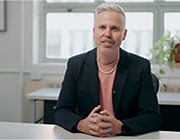
Strengthening LGBTQIA+ Inclusion
David J. Kinitz, MSW, Ph.D. (he/him/his)
Veterinary settings function best when staff and clients can engage without unnecessary barriers. While values may be expressed through mission statements or guidelines, they are experienced through everyday interactions. Addressing gaps between what is said and done reduces friction; supports consistent, respectful experiences for LGBTQIA+ individuals; strengthens team effectiveness; and builds trust with the communities served.

Accelerating Racial Inclusivity
Courtney L. McCluney, Ph.D. (she/her/hers)
Like all professions, veterinary medicine has evolved over time, and some longstanding systems and practices continue to shape how opportunities, access, and resources are experienced today. By building awareness of these patterns and developing practical strategies to navigate them, veterinary teams can strengthen belonging, trust, and collaboration, creating environments where people can do their best work and contribute meaningfully.
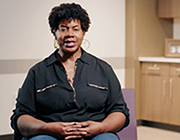
Breaking Down Class Barriers
Kemba Marshall, MPH DVM DABVP (Avian) SHRM-CP (she/her/hers)
Everyone works within systems that shape how we interpret professionalism, expertise, and access to resources. In veterinary medicine, these systems can sometimes rely on assumptions about colleagues, clients, or roles that influence how opportunities, communication, and care are experienced.
This module explores how those patterns show up in both team dynamics and client interactions, and how small shifts in awareness and behavior can strengthen trust, consistency, and the overall quality of care.
Employee Resource Groups (ERGs) in Veterinary Workplaces
A Practical Guide for Building Connection, Voice, and Professional Growth
ERGs help employees connect with one another while supporting workplace culture and organizational goals. If you are interested in starting an ERG at your organization, this resource can help you get started.
Have a question?
We know you’re busy, so thank you for taking a moment to help improve Journey for Teams. If you have any additional feedback you’d like to share, please email us at JourneyForTeams@AVMA.org.